Guangdong, China · Since the Ming Dynasty
XiangyunshaChina's Best-Kept Silk Secret
The only silk in the world dyed by sunlight, plants, and river mud. A fabric so rare it was once reserved for emperors.
Scroll to discover
Guangdong, China · Since the Ming Dynasty
The only silk in the world dyed by sunlight, plants, and river mud. A fabric so rare it was once reserved for emperors.
The Material
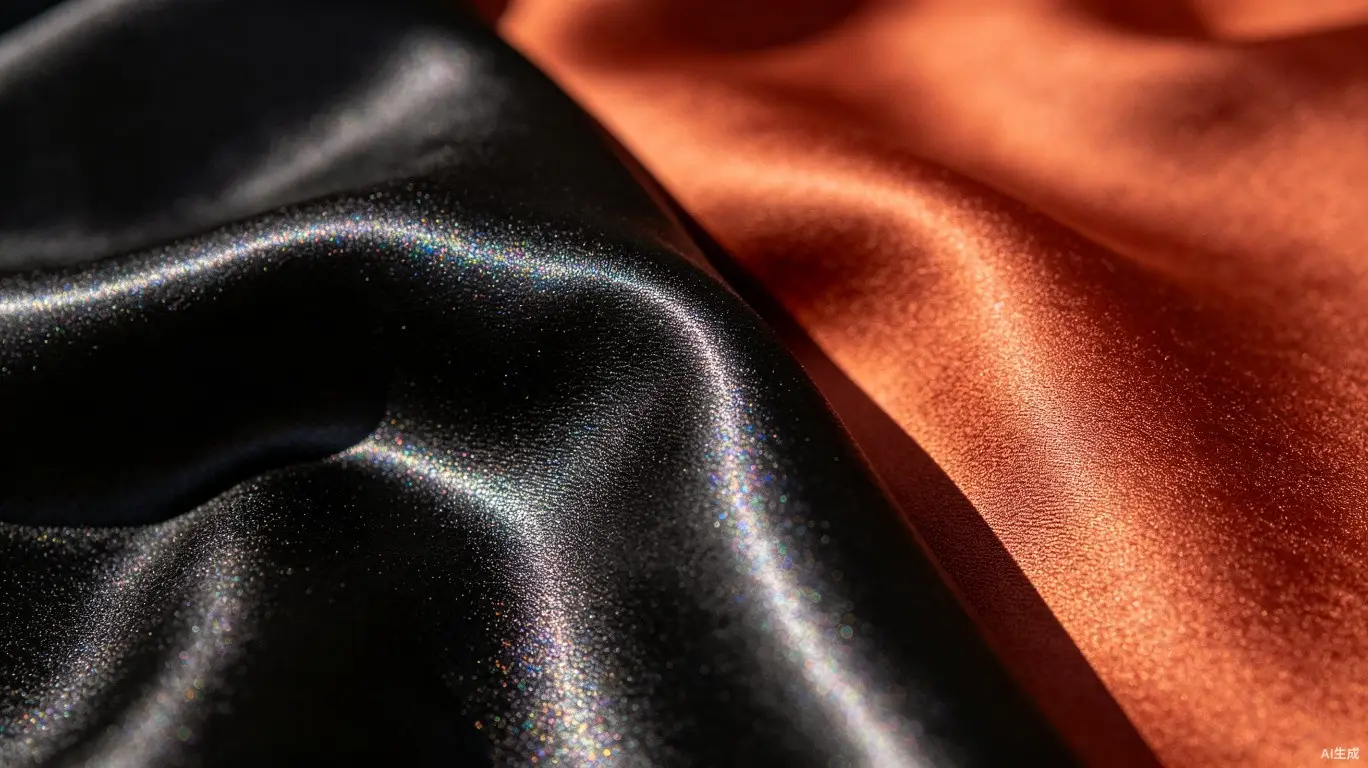
Imagine a silk that feels like nothing else you have ever touched. One side is a deep, glossy black - like polished obsidian. The other is a warm, earthy brown, the color of autumn leaves after rain. It rustles softly when you move, a sound so distinctive the Chinese named it "the silk that sings."
Known in English as Gambiered Canton Silk or simply Tea Silk, Xiangyunsha is produced exclusively in a handful of villages in Guangdong province. The climate, the soil, the water - every element must be exactly right. It cannot be replicated anywhere else on earth.
For centuries, this fabric was so precious that it was traded ounce for ounce with gold. Today, it remains one of the world's most labor-intensive textiles - and one of its best-kept secrets.
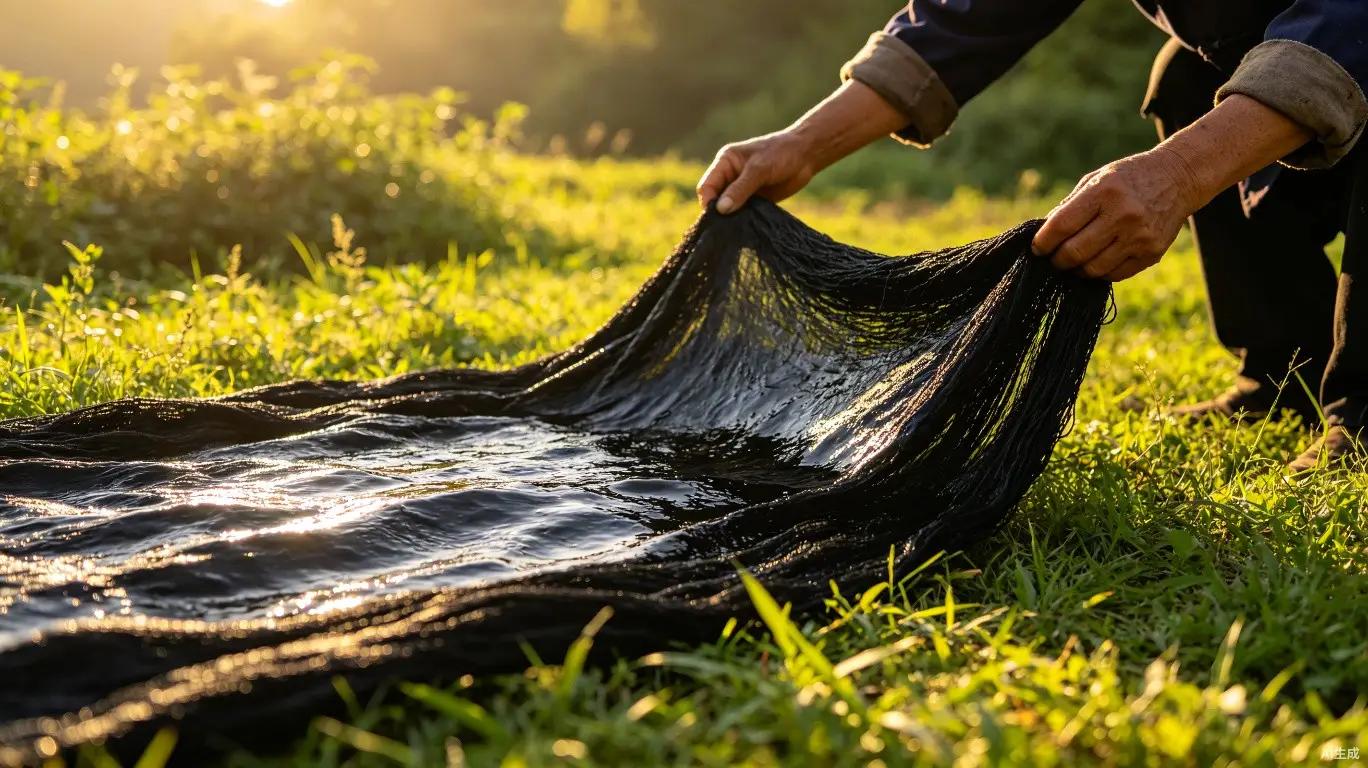
Sun-drying on the grasslands of Guangdong
How to Think About It
Xiangyunsha gets better with age. The more you wear it, the softer and more lustrous it becomes. A garment passed down through generations develops a patina no factory can replicate. This is slow luxury - the antithesis of fast fashion.
The deep black color comes from the same chemical reaction that European monks used to write manuscripts: tannins from the yam plant binding with iron from river mud. It is alchemy - not dye - that creates this color. Medieval scribes would recognize the chemistry instantly.
Both are obsessively artisanal. Both develop a unique character over time. Both have cult followings among those who understand that true quality cannot be mass-produced. Xiangyunsha is what denim heads dream about - but in silk.
The Alchemy
At its core, Xiangyunsha is the result of a simple but brilliant chemical reaction - one that happens nowhere else in the textile world.
This is the same tannin + iron reaction that created iron gall ink - the ink used to write the Magna Carta and the Book of Kells. In Xiangyunsha, it transforms ordinary silk into something extraordinary.
The root of a wild yam, native only to South China, is crushed into a reddish-brown liquid rich in tannins. Pure mulberry silk is dipped and soaked - up to 30 times - and spread under the sun to dry between each coat.
This is the irreplaceable step. The silk must be laid flat on grassland under the specific humidity and sunlight of the Pearl River Delta. The grass protects the fabric while the sun bakes the tannins deep into every fiber. No machine, no other location, can replicate this.
Dark, mineral-rich mud - dredged exclusively from the Pearl River - is brushed onto one side of the silk. The iron in the mud reacts with the tannins, turning that side a deep, lustrous black. This is the moment alchemy happens.
The mud is washed away in the river. What remains: one side black as ink, the other a warm ochre-brown. The fabric is now waterproof, antibacterial, and impossibly crisp yet soft. The entire process takes weeks and depends entirely on the weather.
The Dark Side
The face shown to the world. Sleek, mysterious, impervious.
The Warm Side
The side worn against the skin. Warm, organic, alive.
Today
For decades, Xiangyunsha was considered an "old person's fabric" in China - practical summer wear, not fashion. That has changed dramatically.
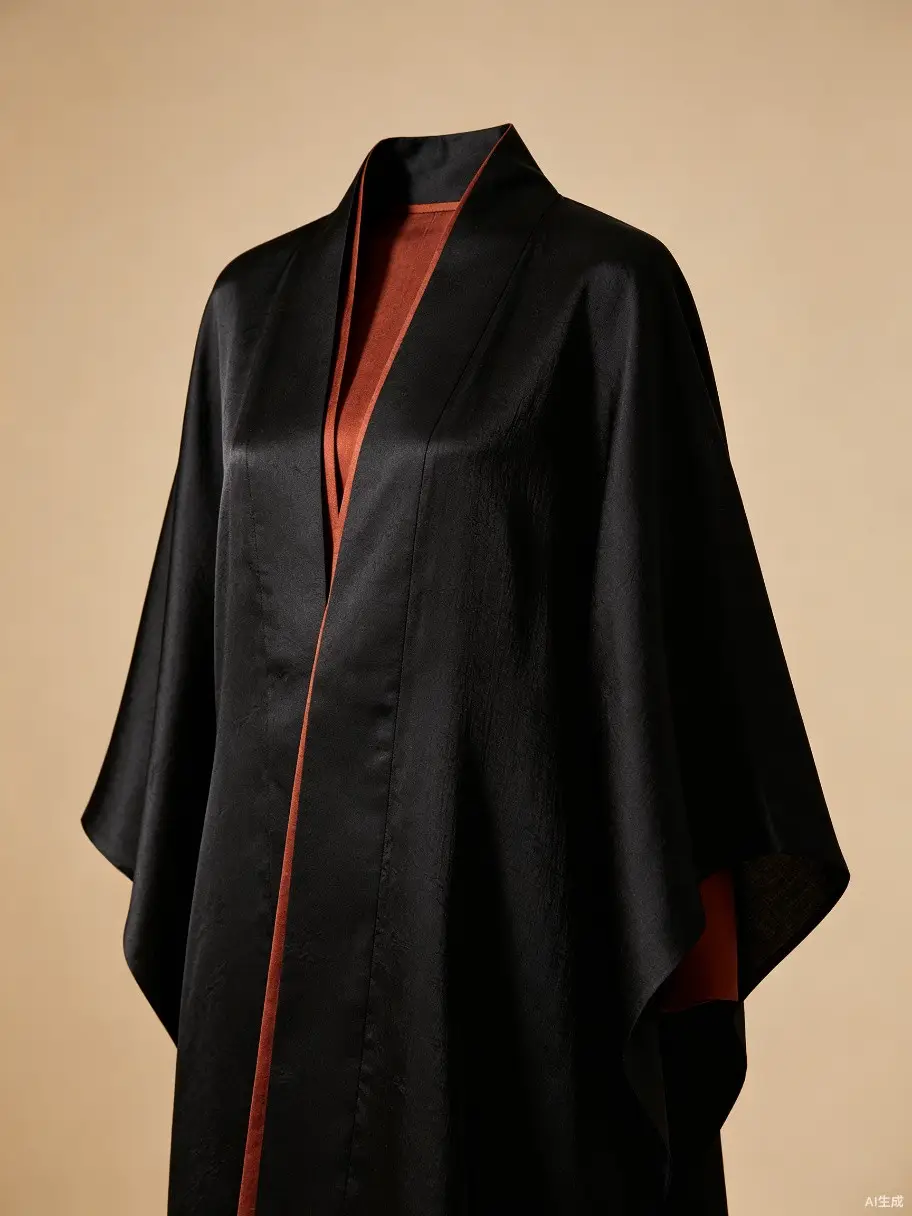
A new generation of designers has rediscovered its potential. The fabric now appears in avant-garde collections, minimalist womenswear, and even luxury menswear. Its natural stiffness gives garments architectural structure. Its dual-tone nature creates dramatic reversibility.
International designers who have worked with Xiangyunsha include names from Paris, Milan, and Tokyo. It has been called "the most sustainable luxury textile on earth" - and for once, the superlative is earned.
Why It Matters
No synthetic dyes. No chemical fixatives. No industrial solvents. Just yam juice, river mud, sunlight, and silk.
Every component - from the mulberry silk to the plant tannins - returns to the earth. Nothing toxic, nothing permanent.
A Xiangyunsha garment is not disposable. It improves with decades of wear. It is made to be inherited, not discarded.
Each meter supports traditional craftspeople whose skills have been passed down through generations. Buying Xiangyunsha preserves a culture.